



Forthcoming Publications
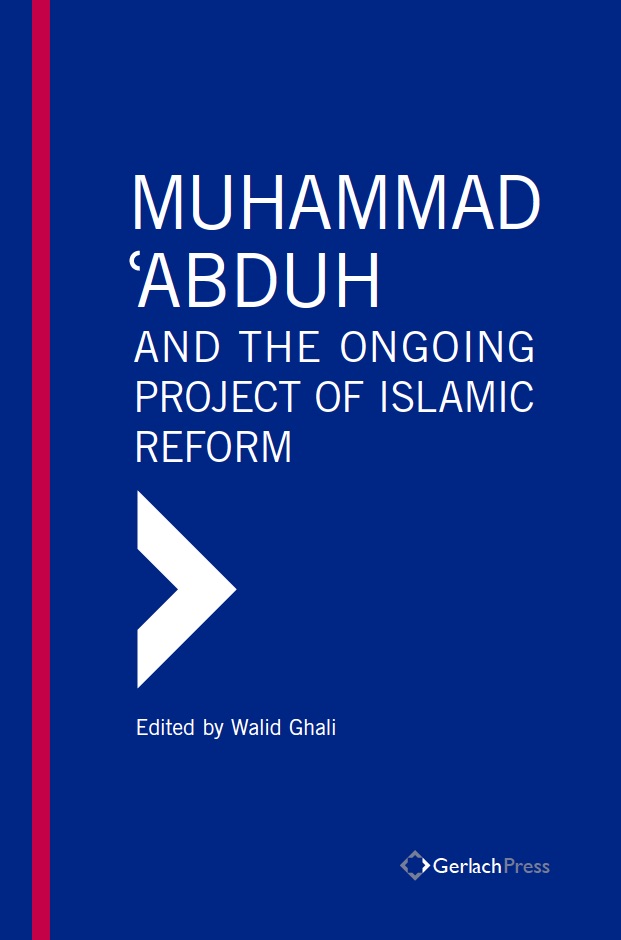
Walid Ghali, William Ryle-Hodges
Muhammad ‘Abduh and the Ongoing Project of Islamic Reform
2026-09
Muhammad ’Abduh as one of the most influential figures in the modern history of Muslim societies and the reform movement. Although his demise was at an early age (53 years) over a century ago, his thoughts and ideas are still discussed in different spheres. In the chaotic political, social and religious circumstances we find ourselves in post-Arab Spring, thinkers and scholars increasingly turn to the work of some great reformers who appeared in the late 19th century. Muhammad ‘Abduh (1849-1905) is an Egyptian philosopher,...
more »
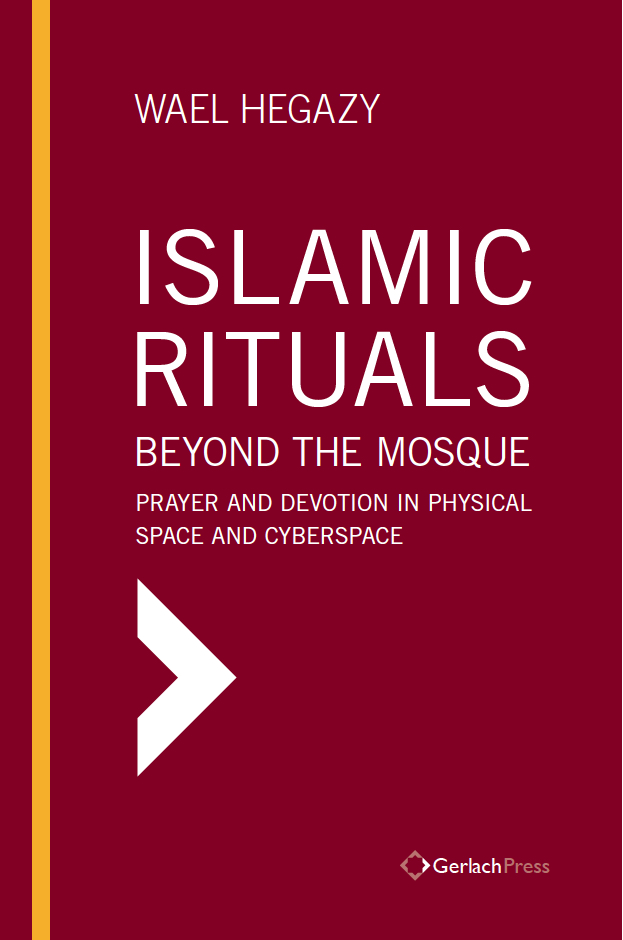
Wael Hegazy
Islamic Rituals Beyond the Mosque
Historical Evolution of Prayer and Devotion in Physical Space and Cyberspace
2026-09
Prevailing assumptions posit that Islamic rituals are inextricably bound to corporeal enactments and spatial constraints. This study, however, critically interrogates such presuppositions, challenging the notion that ritual praxis necessitates physical embodiment. A common misconception is that the conceptualization of Islamic rituals divorced from spatiality and physicality is a contemporary phenomenon, catalyzed by the exigencies of the Covid-19 pandemic or formulated by modern Muslim intellectuals. This research, however,...
more »
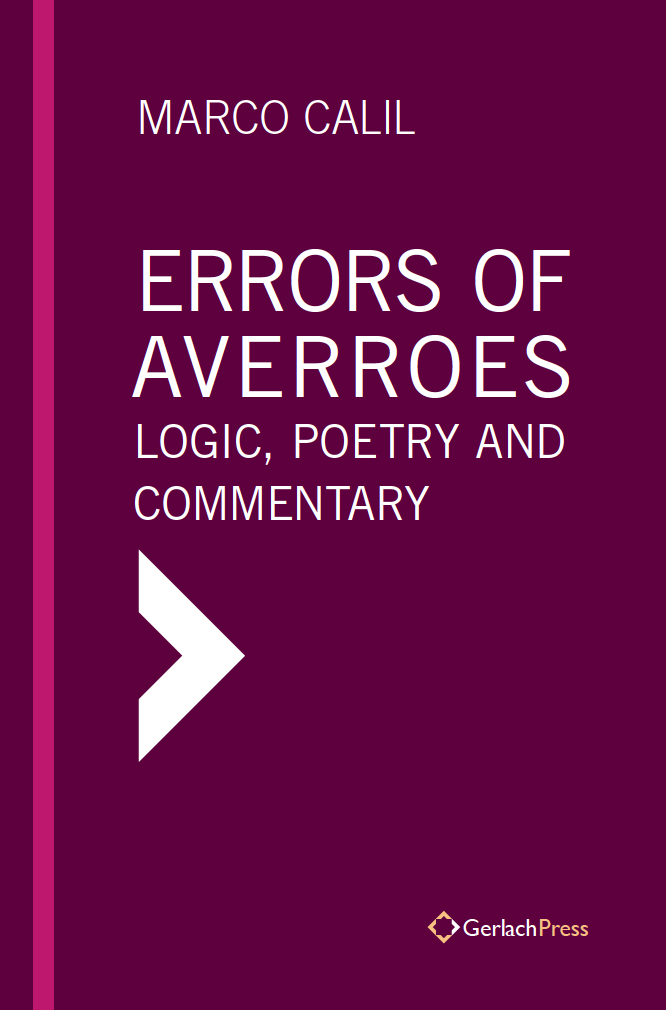
Marco Calil
Errors of Averroes
Logic, Poetry and Commentary
2026-09
This book discusses the Science of the Art of Poetry through Averroes’ Middle Commentary on Aristotle’s Poetics. The author refutes the persistent claim that Averroes erred by equating the Arabic terms madīḥ (encomium) and hijā’ (invective) with Greek tragedy and comedy. Instead, in the wake of other authors and traditions, Averroes functionally integrated these terms into the logico-analytical system of Greek philosophy and the Arabic poetic repertoire. Drawing on primary sources in Arabic poetry, poetics, and adab (b...
more »
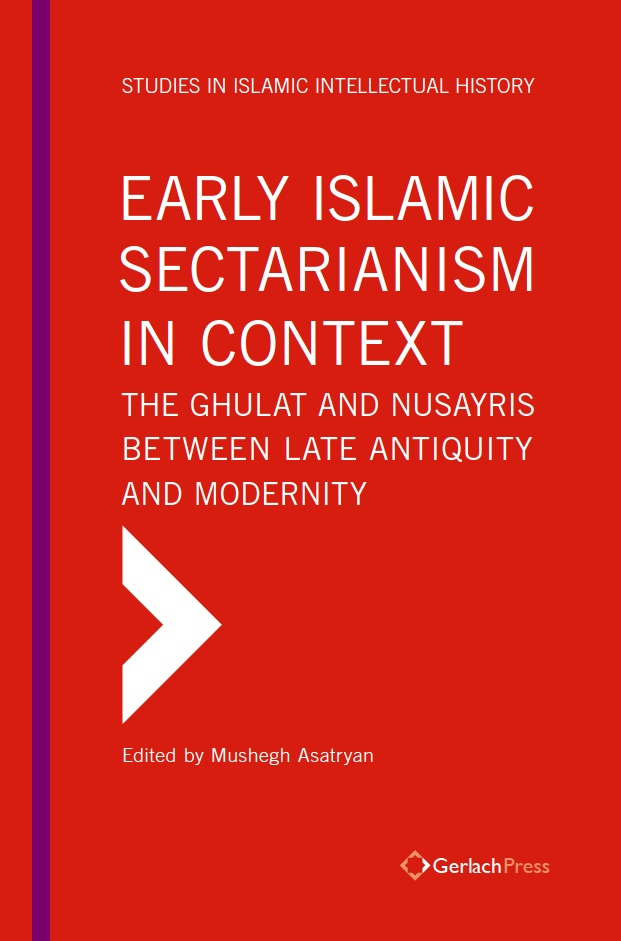
Mushegh Asatryan
Early Islamic Sectarianism in Context
The Ghulat Between Late Antiquity and Modernity
2026-11
The essays in this volume open new horizons for studying the Ghulat and early Islamic sectarianism more generally. On the one hand, they eschew the polemical approaches used hitherto, by situating the Ghulat in their proper Late Antique and later contexts. On the other, they engage a number of texts written by the Ghulat themselves, which have only recently become available. In the early 700s, several men rebelled in Iraq, claiming to be acting on behalf of a God who had become incarnate in human shape. They were defeated...
more »
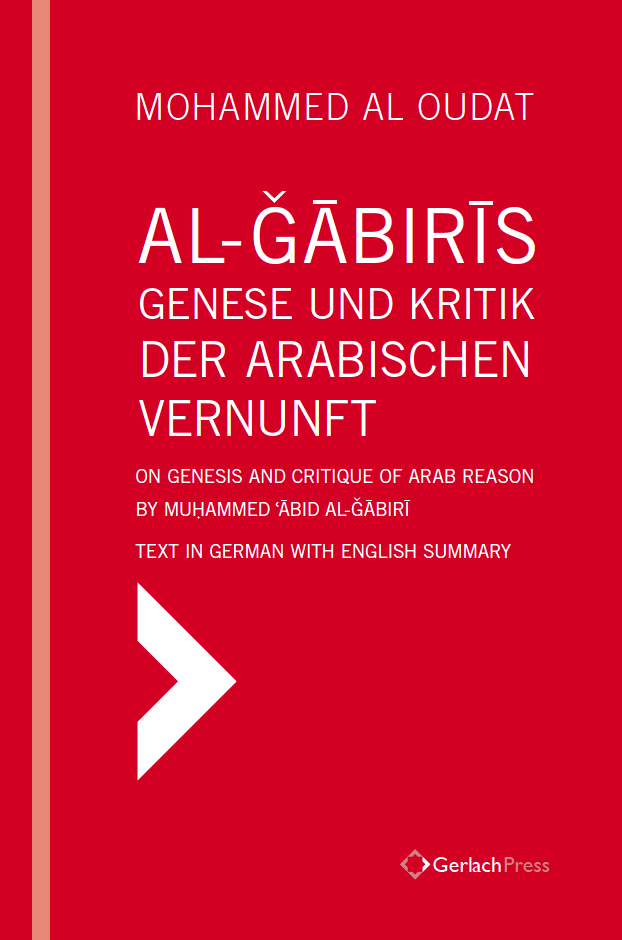
Mohammed Al Oudat
Al-Ğābirīs Genese und Kritik der Arabischen Vernunft – On Genesis and Critique of Arab Reason by Muḥammed ʿĀbid al-Ğābirī
– Text in German with English Summary –
2026-11
The Moroccan philosopher and literary scholar Muḥammed ʿĀbid al-Ğābirī (1935–2010) is a pioneering example of how Arab intellectuals can create new spaces for critical thinking and the use of reason. His work has been widely received and has triggered an ambivalent attitude towards him. It has garnered much praise and admiration, but also criticism, and his view of Arab reason in Arab-Islamic thought and the problem of progress is still being discussed today. This monograph aims to give the reader an insight into al-Ğābir...
more »